


Attachment Figure Wounds: Understanding Mother Wounds, Father Wounds, and How to Heal
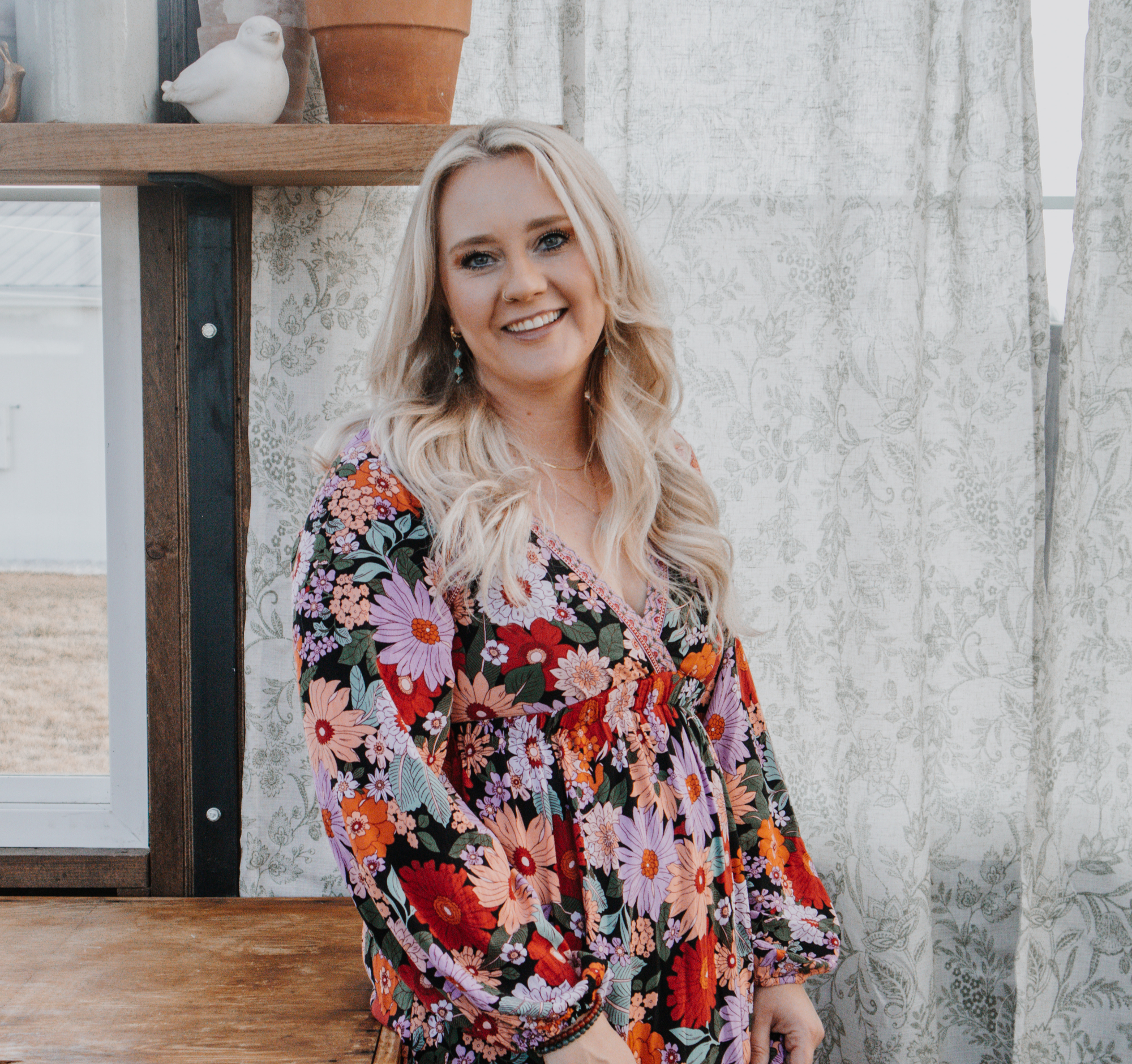

By Kristen Goltz, LMFT| Heal, Grow, & Thrive Therapy | Fort Collins, CO
Have you ever found yourself repeating the same painful patterns in relationships — no matter how hard you try to change them? Do you struggle with a relentless inner critic, a deep sense of not being enough, or a persistent feeling that you are somehow unworthy of love?
If so, you may be carrying what is known as an attachment figure wound.
Attachment figure wounds are among the most profound and far-reaching wounds a person can carry. They develop in childhood, in our earliest and most formative relationships — with our parents or primary caregivers — and they quietly shape everything: how we see ourselves, how we relate to others, and how safe we feel in the world.
As a trauma therapist in Fort Collins, CO specializing in EMDR and Internal Family Systems (IFS) therapy, I work with attachment figure wounds every day. I've seen firsthand how deeply they impact my clients' lives — and how profoundly they can heal with the right support.
What Are Attachment Figure Wounds?
Attachment figure wounds — sometimes called mother wounds or father wounds — develop when our earliest caregiving relationships fail to provide the safety, attunement, and consistent emotional presence that every child needs to develop a secure sense of self.
This doesn't always mean dramatic abuse or obvious neglect. Attachment wounds can develop in response to caregivers who were:
Emotionally unavailable or detached
Critical or dismissive
Physically or emotionally absent
Struggling with their own unresolved trauma or mental health challenges
Inconsistent in their availability and attunement
Physically present but emotionally elsewhere
Children are wired for attachment. When the people we depend on most cannot consistently meet our emotional, physical, and mental needs — or when their care comes with criticism rather than curiosity — we internalize a painful message: something must be wrong with me.
This belief — "I am not enough," "I am unworthy of love," "I am a burden" — becomes the lens through which we see ourselves and navigate the world. And it follows us long into adulthood, showing up in our relationships, our work, our sense of self, and our bodies.
Understanding the Mother Wound
The mother wound develops from having a critical, absent, detached, or abusive maternal figure. Because our relationship with our mother is typically our first and most foundational attachment, wounds in this relationship tend to be particularly deep and far-reaching.
If you carry a mother wound, you may recognize yourself in some of these patterns:
Low self-esteem and feeling unworthy of love — a persistent sense that you are fundamentally not enough, no matter what you achieve or how hard you try
A harsh inner critic — an internal voice that sounds a lot like criticism you heard growing up, now internalized as your own
People-pleasing and difficulty saying no — learning early that keeping others happy kept you safe, so your own needs always come last
Caretaking for others at the expense of yourself — taking responsibility for everyone else's emotional wellbeing while neglecting your own
Unrealistic perfectionism — striving to be perfect as a way of earning love and avoiding criticism
Codependency in relationships — patterns of over-functioning for others, losing yourself in relationships, or needing external validation to feel okay
Attracting or settling for emotionally unavailable partners — unconsciously recreating the familiar dynamic of working hard for love that never quite arrives
Fears of abandonment — a deep terror of being left that drives you to stay in relationships long past their expiration date
Feeling responsible for everyone's emotions — being hyperattuned to the emotional climate around you, always scanning for signs of displeasure
Fear of fully shining — a subconscious belief that being too much, too successful, or too visible is dangerous
Difficulty expressing your own needs — not even knowing what you need, or feeling profound shame or guilt when you try to ask for it
Understanding the Father Wound
The father wound develops from having an absent, overworking, detached, abusive, or critical father. While mother wounds tend to impact our relationship with ourselves and our sense of worthiness, father wounds often affect our relationship with the outer world — our sense of safety, authority, achievement, and autonomy.
If you carry a father wound, you may recognize yourself in some of these patterns:
Prioritizing work and achievement over everything — unconsciously trying to earn the approval that was never given
Hyper-independence — learning that you couldn't rely on anyone, so you learned to need no one
Boundary issues rooted in low self-worth — difficulty maintaining healthy boundaries because deep down you don't believe you deserve them
Overachievement and perfectionism — striving endlessly to prove your worth through accomplishment
Distrust and anxiety around authority figures — bosses, institutions, and figures of power trigger deep unease or reactivity
Difficulty regulating emotions — never having learned healthy emotional regulation from a present, attuned father figure
An extreme need for control — when the world felt unsafe and unpredictable, controlling your environment became a survival strategy
A general sense of feeling unsafe in the world — a nervous system that is always braced for impact, even when things are objectively okay
Deep self-criticism — an internalized critical voice that judges every decision, every mistake, every moment of rest
The Parts Carrying the Wound
In Internal Family Systems (IFS) therapy, we understand that the behaviors described above aren't character flaws or personality defects. They are protective parts — aspects of your internal system that developed to protect a much more vulnerable place within you.
Beneath the people-pleaser, the perfectionist, the overachiever, the hypervigilant scanner of emotional climates — there is a wounded inner child. A part of you that grew up with a persistent feeling of never being enough. A part that felt lost and alone, whose physical, emotional, and mental needs weren't consistently met. A part that experienced criticism where there should have been curiosity, judgment where there should have been acceptance, absence where there should have been presence.
These protective parts work incredibly hard. They have kept you functioning, kept you safe, kept you moving forward. But they are exhausting to maintain. And they often create the very pain they were trying to prevent — keeping you stuck in patterns of disconnection, self-criticism, and relationships that recreate the original wound.
How Attachment Figure Wounds Show Up in Your Relationships
One of the most painful aspects of attachment figure wounds is the way they silently shape our adult relationships — often without us even realizing it.
You may find yourself:
Repeatedly attracted to partners who are emotionally unavailable, critical, or inconsistent — unconsciously trying to finally "win" the love that was withheld in childhood
Staying in relationships long past the point of health because the fear of abandonment is more terrifying than the pain of staying
Losing yourself completely in relationships, with no clear sense of where you end and your partner begins
Pushing people away before they can leave you
Struggling to trust that love can be consistent and unconditional
Feeling like a burden to the people you love most
Sabotaging relationships that feel too good — because deep down, you don't believe you deserve them
These aren't signs that you are broken or incapable of love. They are signs that a younger part of you is still running the show — still operating from the beliefs and survival strategies that formed in childhood.
Healing Attachment Figure Wounds: The Role of the Therapeutic Relationship
Healing attachment figure wounds is profound, meaningful work — and it requires a particular kind of care. For clients carrying deep attachment wounds, the therapeutic relationship itself is central to the healing process.
This is because attachment wounds are relational wounds. They developed in relationship, and they heal in relationship. A skilled trauma therapist can serve as a corrective relational experience — sometimes described as a pseudo attachment figure — offering the consistency, attunement, safety, and non-judgmental presence that was missing in childhood.
This doesn't mean the therapist replaces a parent or becomes a substitute for healthy adult relationships. It means that the experience of being truly seen, heard, and accepted — without conditions, without criticism, without abandonment — begins to rewire the nervous system's expectations of what relationships can be.
Because of this, healing attachment figure wounds is often a slower, gentler process than working through a single traumatic event. We move carefully. We build trust over time. We never go further than you are ready to go.
How EMDR and IFS Help Heal Attachment Figure Wounds
I specialize in Somatic and Attachment-Focused EMDR and Internal Family Systems (IFS) Level 1 therapy — two of the most powerful approaches available for healing attachment wounds at their roots.
Internal Family Systems (IFS):
IFS allows us to work directly with the protective parts that developed in response to early attachment wounds. We get to know the perfectionist, the people-pleaser, the hypervigilant scanner — understanding what they're protecting, building a compassionate relationship with them, and gradually earning their trust enough to reach the wounded parts underneath.
As clients reconnect with their core Self energy — the calm, compassionate, confident essence that exists within every person — they can begin to meet those wounded inner children with genuine care. Parts that have been carrying shame, loneliness, and pain for decades can finally begin to receive the curiosity and compassion they always deserved.
Somatic and Attachment-Focused EMDR:
EMDR helps us reprocess the specific memories, experiences, and relational dynamics that created the attachment wound — replacing the deeply held negative beliefs ("I am not enough," "I am unworthy of love," "I am a burden") with more accurate, positive ones.
The Attachment-Focused piece is particularly important here. We work not just with discrete traumatic events but with the accumulated relational experiences — the thousands of small moments of criticism, absence, or emotional unavailability that together created the wound. And the Somatic piece ensures we're working at the level where these wounds are actually stored — in the body and nervous system, not just the thinking mind.
What Healing Looks Like
As clients do this work, the shifts that emerge are profound and life-changing:
A quieter, less punishing inner critic
A growing sense of self-worth that doesn't depend on achievement or others' approval
Increased self-compassion — and compassion for the caregivers who wounded them
Different patterns in relationships — choosing partners who are available, consistent, and kind
The ability to express needs without shame or guilt
A sense of empowerment and agency in their own lives
A feeling of finally coming home to themselves
This is not quick work. But it is some of the most meaningful, transformative work a person can do.
You Deserve to Heal
If you recognize yourself in these patterns — if the mother wound or father wound resonates with something deep in your experience — please know this: you are not broken. You are not damaged. You are not destined to repeat these patterns forever.
You are carrying wounds that were never yours to carry in the first place. And you deserve support in putting them down.
I offer specialized trauma therapy in Fort Collins, CO for adults healing from attachment figure wounds, complex trauma, and relational wounds — using Somatic and Attachment-Focused EMDR and Internal Family Systems (IFS) Level 1 therapy. I offer in-person sessions in Fort Collins and virtual therapy throughout Colorado and Florida.
I am in-network with Cigna, Aetna, and United Healthcare/Optum network — making this specialized work more accessible than ever.
If you're ready to begin, I'd love to connect. Schedule your free 30-minute consultation today.
📞 Call or text: 970-370-9975 📧 Email: kristen@healgrowthrivetherapyandcoaching.com 🌐 Schedule online: https://kristen-goltz.clientsecure.me/
Kristen Goltz, MS, LMFT is a trauma therapist in Fort Collins, CO specializing in Somatic and Attachment-Focused EMDR, Internal Family Systems (IFS) Level 1, and somatic therapy. She works with teens and adults in-person in Fort Collins and virtually throughout Colorado and Florida.

Comments